How to Succeed as a Flower Farmer in a Rural, Small Town, or Low-Income Area (SFFF96)
There’s this quiet belief that shows up for a lot of flower farmers, especially in rural or lower income areas.
It sounds like this: “I can’t charge what they charge in bigger cities, so I probably can’t be profitable.”
I used to hear that all the time. And I get it. When you see someone charging $10 a stem for peonies or running high-end weddings in major cities, it can feel like you’re playing a completely different game. But profitability in flower farming is not determined by your location. It’s determined by your decisions.
High prices might look impressive on the surface, but they often come with equally high costs. Land, labor, and operating expenses in those markets are dramatically higher. So while the revenue looks bigger, the take-home profit is not always as different as you think.
Profitability Comes From Your Numbers, Not Your Market
At the end of the day, profit is simple. It’s your revenue minus your costs. That’s it.
If it costs you $5 to grow a bunch of flowers and you sell it for $15, you’ve built a healthy margin. It doesn’t matter if someone else is selling something similar for more. What matters is that your numbers work for you.
When you actually know your costs, a lot of the comparison fades away. You stop guessing. You stop underpricing. And you start making confident decisions based on what your farm needs to be profitable, not what someone else is doing in a completely different environment.
Demand for Flowers Exists Almost Everywhere
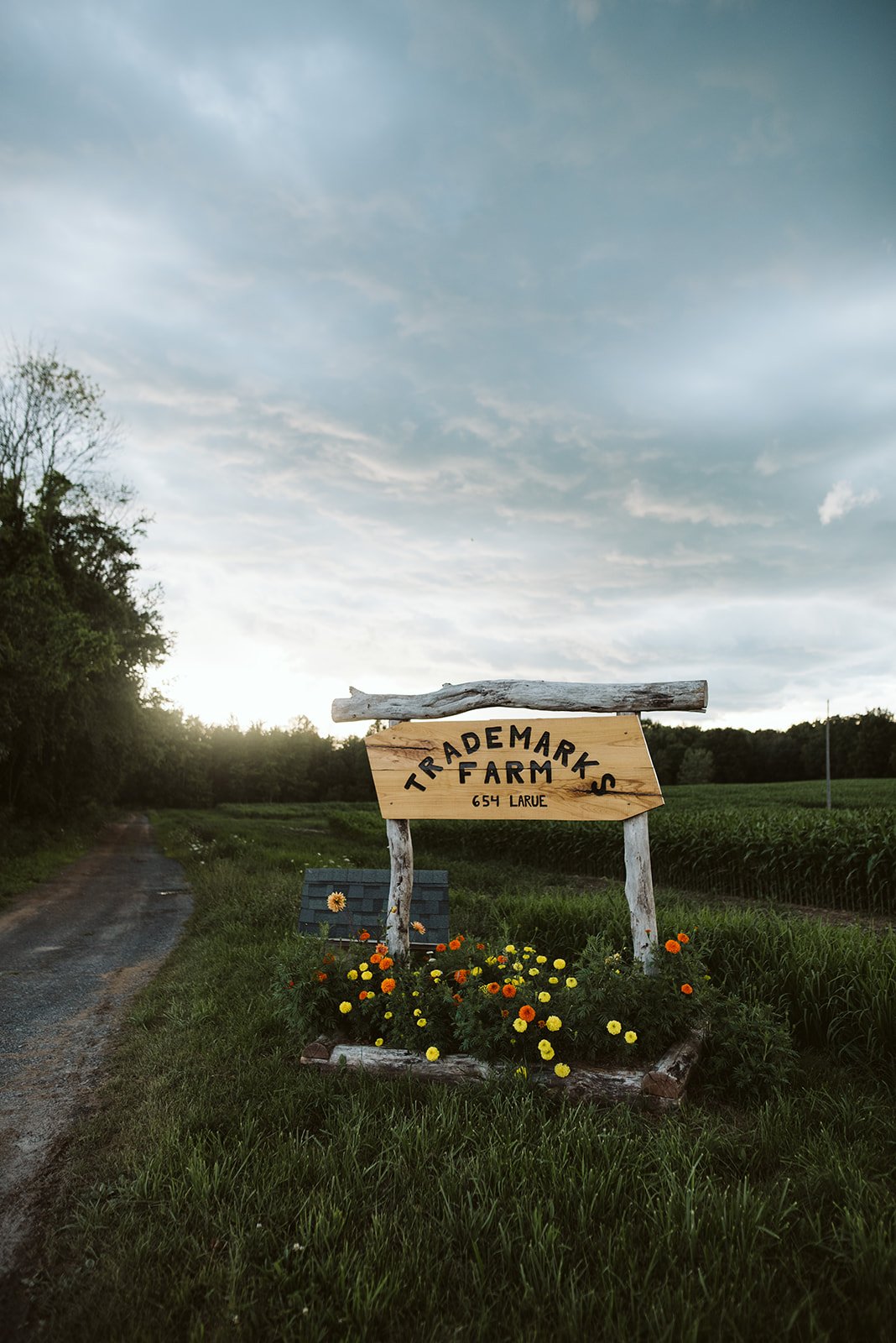
Even in small towns, people are still celebrating, grieving, gathering, and gifting. Flowers are part of all of those moments. The demand is there. It just looks different.
Instead of asking “Can people afford flowers here?” start asking better questions:
Who is already buying flowers in my area
What occasions are people spending money on
Where are flowers already being used but not locally sourced
You don’t need everyone in your town to buy from you. You just need the right group of people who value what you offer.
Build a Business Model That Fits Your Area
Not every market supports large, full-service weddings with high minimums. And that’s okay. There are multiple ways to build a profitable flower farm business.
Some options that work especially well in smaller or lower income areas:
A la carte weddings where couples order what they need and handle setup themselves
Farmers markets that focus on consistent, approachable pricing
Selling into nearby cities within driving distance
Becoming the go-to local flower source for everyday occasions
A la carte weddings, for example, can be incredibly profitable when structured well. You remove time-intensive consultations, delivery, and setup, and focus on creating beautiful products that customers can pick up. It serves a real need while keeping your labor in check.
Use a SWOT Analysis to Find Your Advantage
If you’re not sure what could work in your area, take a step back and look at your situation through a simple lens. A SWOT analysis can give you clarity fast.
Break it down like this:
Strengths: lower overhead, access to land, flexibility
Weaknesses: smaller population, lower disposable income
Opportunities: nearby cities, weddings, farmers markets, local recognition
Threats: underpricing, burnout, trying to do too much
One of the biggest opportunities in a small town is visibility. You can become known as the flower person. The one people think of when they need something beautiful for a moment that matters.
You Don’t Need a Bigger Market. You Need Clearer Decisions.
A lot of frustration in flower farming comes from uncertainty. Not knowing what to charge. Not knowing what’s actually profitable. Not knowing where to focus.
That’s what keeps people stuck. Not their location.
When you get clear on your numbers and build offers that match your market, everything shifts. You stop chasing what works somewhere else and start building something that works for you.
If you’re ready to take that next step and get clear on what your farm actually needs to grow, listen to the full episode of the Six Figure Flower Farming Podcast. It walks through these ideas in more detail and will help you start making decisions with confidence instead of guesswork.