Why Email Marketing Is One of the Most Powerful Tools for Flower Farmers
Imagine spending hours taking photos of your beautiful bouquets, editing Instagram reels, and trying to keep up with the latest social media trends, only to make a handful of sales. Sound familiar? Social media can be an incredible marketing tool for flower farmers, but having thousands of followers doesn't necessarily translate into thousands of dollars in sales.
Julio Freitas, owner of The Flower Hat in Bozeman, Montana, knows this firsthand. Over the past decade, he's built an incredibly recognizable floral brand, grown a thriving flower farm, and developed a loyal customer base. But one of his most valuable marketing tools isn't Instagram. It's his email list. During a recent fall bulb sale, 33% of his sales came directly from email marketing, compared to just 6% from Instagram! Those numbers really put things into perspective, don't they?
Building a Flower Farm Brand That Customers Remember
When Julio first started sharing photos of himself holding enormous armloads of ranunculus, dahlias, and other beautiful flowers, he wasn't following some elaborate marketing strategy. One grainy photo of him holding a bunch of ranunculus took off on Instagram, helping him gain thousands of followers. Over time, those photos became part of The Flower Hat's recognizable brand. But it wasn't just the beautiful flowers that made people pay attention. It was the person behind them. Customers want to know who's growing their flowers, why they started their business, and what happens behind the scenes. And those stories are often what turn casual followers into loyal customers.
You don't need professional photography, complicated marketing campaigns, or a perfectly curated Instagram feed to build that connection. Start by sharing the everyday moments that make your flower farm unique:
Tell your story: Why did you start flower farming? What keeps you going during the difficult seasons?
Show the behind-the-scenes reality: Share the muddy boots, unexpected challenges, and small victories that customers rarely get to see.
Let customers get to know you: Introduce your employees, share funny farm stories, and give people a glimpse into your everyday life.
How to Grow Your Flower Farm Email List With the Right Customers
Here's something I think a lot of flower farmers overlook: You don't own your social media audience. Algorithms change, accounts get restricted, and platforms can disappear. But when someone joins your email list, you have a much more direct way to communicate with them. Julio has built his newsletter audience by offering valuable free resources, including flower-growing guides and giveaways. One pair of free growing guides attracted approximately 3,000 subscribers! The important thing, though, isn't just collecting as many email addresses as possible. It's attracting people who are actually interested in what you're selling.
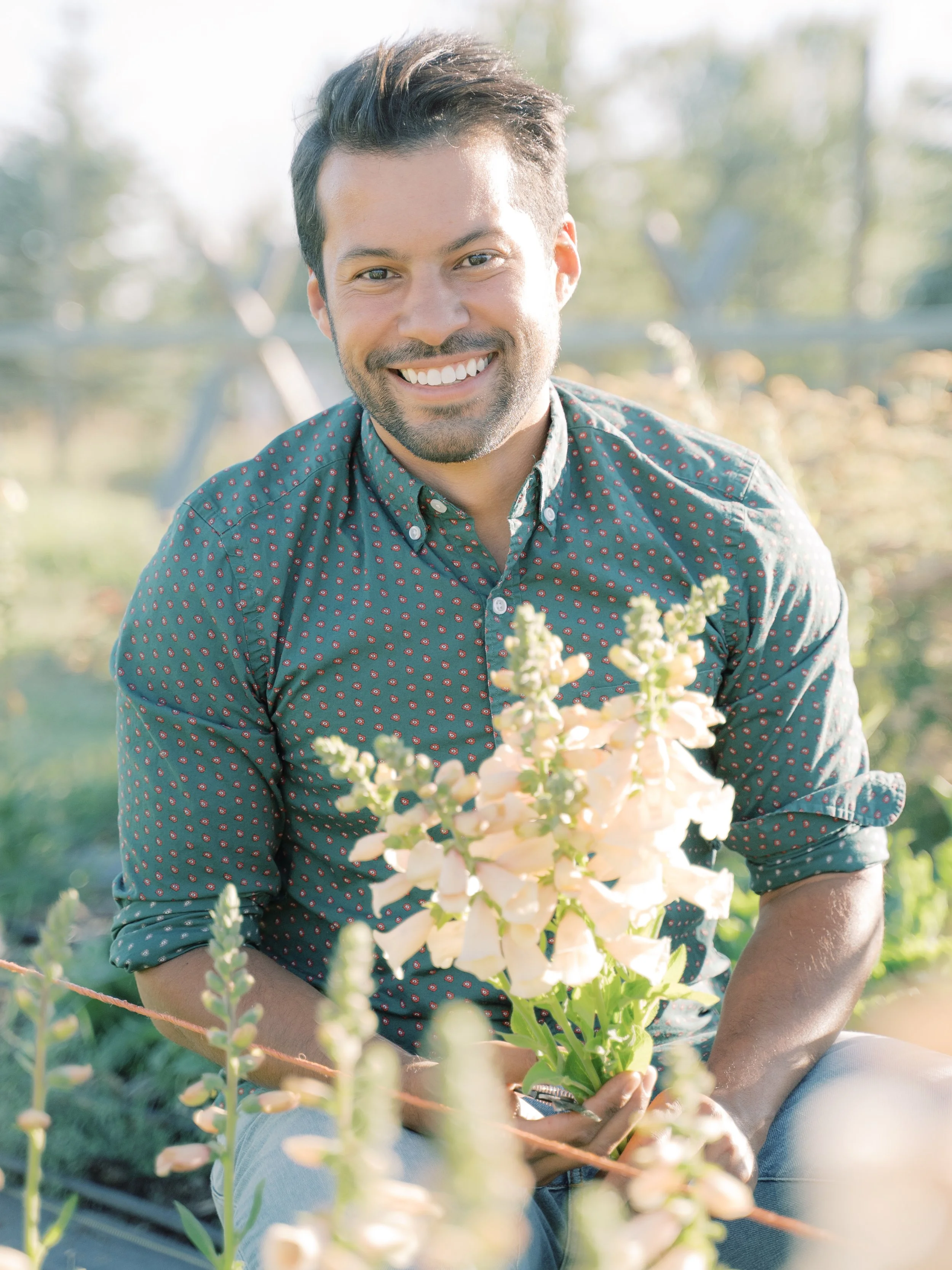
Meet Julio Freitas of The Flower Hat
Julio Freitas is the founder and creative force behind The Flower Hat, a renowned floral design studio and flower farm based in Bozeman, Montana. Originally from Brazil, Julio has spent the past decade building a distinctive floral brand known for its lush, garden-inspired designs and breathtaking armloads of locally grown flowers.
What began as a floral design business has grown into a thriving operation that combines luxury wedding florals, a two-acre flower farm, and seasonal dahlia tuber and flower bulb sales. By growing unique, hard-to-source blooms, Julio has developed a signature design style that sets The Flower Hat apart in Montana's competitive wedding industry.
Beyond his incredible floral artistry, Julio is passionate about sharing his knowledge with other growers. Through educational resources, authentic storytelling, and strategic email marketing, he's built a loyal community of flower lovers and fellow farmers while proving that a successful floral business can be both creative and profitable.
Connect with Julio: The Flower Hat | Instagram @theflowerhat
If you want to grow an email list that generates real flower farm sales, start by giving your ideal customers a reason to subscribe. For example:
Selling dahlia tubers? Offer a free dahlia-growing guide or a chance to win a collection of tubers.
Selling locally grown bouquets? Offer a giveaway for a seasonal bouquet or early access to your flower subscriptions.
Selling workshops? Share a helpful resource related to the skills your customers want to learn.
The key is making sure your freebie appeals to your actual buyers. If you're trying to sell bouquets to local customers, offering a detailed guide on growing dahlias might attract other flower farmers instead. And while those subscribers might love your content, they may never purchase your flowers.
Turn Your Flower Farm Newsletter Into Consistent Sales
One of the biggest email marketing mistakes flower farmers make is only contacting their subscribers when they have something to sell. Think about it. If someone hasn't heard from you in six months, and suddenly you're sending emails asking them to purchase your spring flower subscriptions, that relationship has gone a little cold. Julio experienced this himself when a busy season kept him from sending regular newsletters. Recognizing that he hadn't maintained the same connection with his audience, he intentionally reduced his fall bulb inventory because he anticipated lower sales. Consistency matters because relationships are built between sales, not just during them.
The good news? Your email newsletters don't need to be complicated. In fact, simpler is often better. Share what's blooming, tell a funny story about something that happened at the farm, or talk about a lesson you learned during harvest. Here are a few things to prioritize:
Keep it simple: One interesting story or helpful takeaway is plenty for a newsletter.
Stay consistent: Choose a realistic schedule you can maintain, even during your busiest growing season.
Provide value before asking for a sale: Give people a reason to look forward to opening your emails.
Focus on engaged subscribers: A smaller list of customers who open your emails and purchase your products is more valuable than thousands of uninterested subscribers.
Build a More Sustainable and Profitable Flower Farm Business
Of course, successful flower farm marketing is only one piece of building a profitable business. Julio's success with The Flower Hat also comes from making strategic decisions about how his business operates. By combining wedding floral design, locally grown flowers, seasonal bulb sales, and dahlia tuber sales, he's created multiple revenue streams that help support his employees throughout the year. That diversification has allowed him to retain experienced staff, improve cash flow, and build a business that isn't entirely dependent on one season or sales channel.
And I think that's such an important reminder for flower farmers. The goal isn't necessarily to grow more flowers, gain more followers, or work more hours. It's to build a business that supports the life you actually want to live. Whether that means investing in equipment that saves you hours of labor, hiring help before you're completely overwhelmed, or finally getting serious about your email marketing, small strategic decisions can have an enormous impact on your farm's profitability.
Want to hear more about how Julio built The Flower Hat and turned email marketing into one of his most successful sales tools? Listen to the full conversation on the Six Figure Flower Farming Podcast for more practical flower farm marketing strategies, real business lessons, and ideas you can start putting to work on your own farm.