5 Silent Profit Leaks on Small Flower Farms
A lot of flower farmers assume they need to grow more, sell more, or work harder to make better money. But most of the time, the biggest issue is not a lack of effort. It’s small profit leaks happening quietly behind the scenes all season long.
They look harmless at first. A crop that doesn’t sell quite as well as you hoped. A bouquet priced a dollar too low. A shelf full of random supplies ordered in a panic during the middle of harvest season. None of those things feel catastrophic on their own. But stacked together over an entire year, they can quietly eat away at your flower farm profitability.
Too Many Varieties Can Hurt Your Flower Farm Business
It’s incredibly tempting to grow everything. Flower farmers love flowers. Of course we want all the colors, textures, and varieties. But growing too many crops often creates more chaos than profit, especially on a small flower farm.
When space, labor, and energy are spread across too many varieties, farms end up harvesting tiny amounts of everything instead of enough of what actually sells. That usually means more waste, more labor, and more complicated systems. Meanwhile, the flowers customers consistently ask for are selling out too fast.
One of the biggest shifts on our farm happened when we stopped chasing endless variety and started paying closer attention to sales patterns. Customers repeatedly bought our ranunculus and dahlias, so we focused on scaling those crops. Today, those two flowers alone generate around half of our farm’s total revenue. Simpler systems made the farm more efficient, easier to manage, and significantly more profitable.
Underpricing your Flowers Adds Up
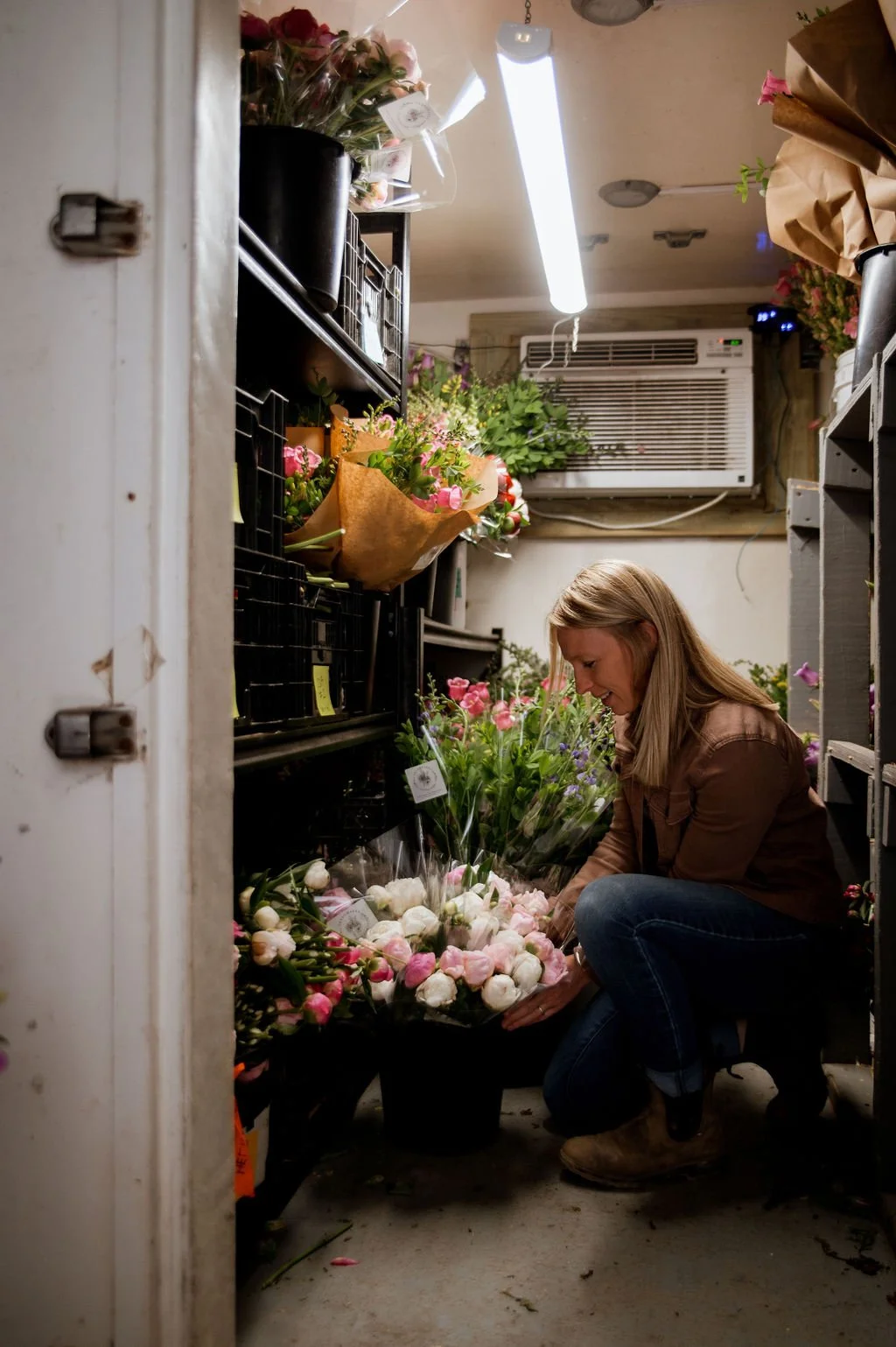
One of the biggest profit leaks on flower farms is underpricing, even slightly. A one dollar pricing mistake may not feel like much in the moment, but over hundreds or thousands of bunches, that tiny gap can cost a farm thousands of dollars over a season.
A lot of flower farmers price based on what feels fair instead of what actually protects their margins. Meanwhile, labor, supplies, fuel, soil, seeds, and packaging costs continue climbing every year. If pricing never adjusts alongside those rising costs, profit margins slowly shrink.
This season, we increased the price of our ranunculus bunches by just one dollar. We didn’t see a noticeable drop in sales, but across thousands of bunches, that tiny adjustment created a meaningful increase in revenue for the farm. Small changes matter, especially when they’re backed by good numbers and confident marketing.
Overproduction and Poor Planning Create Expensive Waste
Every stem left in the field still cost time, labor, and money to produce. That’s why overproduction is not just a growing issue. It’s a profitability issue.
At the same time, underproduction can leave money on the table if demand is there but the flowers are not. The goal is not perfection. Farming rarely works perfectly. The goal is getting close enough through good records, sales tracking, and intentional flower farm crop planning.
The farms that consistently grow sustainable flower farm businesses are the ones using real sales data to make decisions. They know which crops sell best, which sales outlets move the most product, and what timing works for their customers. That data helps shape future crop plans, improve harvest timing, and reduce waste throughout the season.
Too Many Sales Channels Can Compress Profit Margins
Diversification gets talked about constantly in small business circles, but more sales channels do not always equal more profit. Farmers markets, weddings, subscriptions, wholesale, workshops, custom orders, and on farm events all require different systems, tools, customers, and workflows.
Trying to do everything at once often spreads flower farmers so thin that none of the sales channels perform as well as they could. Instead of building efficient systems, farms stay stuck constantly reacting and juggling.
A better approach is usually to stabilize a few profitable sales channels first. Learn them deeply. Build systems around them. Improve efficiencies. Increase revenue from those channels before adding more complexity. Strong systems and focused energy are often what create sustainable flower farm growth, not constantly adding new offers.
Build a More Profitable Flower Farm by Plugging the Leaks
Sometimes the path to making more money on your flower farm has nothing to do with growing more flowers. It comes down to tightening systems, improving pricing strategies, reducing waste, and becoming more intentional with how the business operates.
If your farm feels busy but not as profitable as it should be, take a close look at where money may be quietly slipping away. Small changes made consistently can completely transform a flower farming business over time.
For a deeper dive into these five silent profit leaks and how to fix them, listen to Episode 104 of the Six Figure Flower Farming Podcast. Jenny breaks down practical strategies to improve flower farm profitability, simplify your systems, and build a more sustainable business that actually pays you well.